







 Worldwide Free Shipping On All Orders
 100% Secure Payment, No Risk
 90 Days Easy Return !
Hongkong Warehouse And In stock,Shipped Out around 24hours
Worldwide Free Shipping On All Orders
100% Secure Payment, No Risk
90 Days Easy Return !
Hongkong Warehouse And In stock,Shipped Out around 24hours
90 Days Easy Return !
Hongkong Warehouse And In stock,Shipped Out around 24hours
Worldwide Free Shipping On All Orders
100% Secure Payment, No Risk
90 Days Easy Return !
Hongkong Warehouse And In stock,Shipped Out around 24hours
Power Zone Brands
Explore current portable power, solar and accessory products from AFERIY, IEETek, OUKITEL, OSCAL, Newsmy and NECESPOW. Brand availability varies by category.
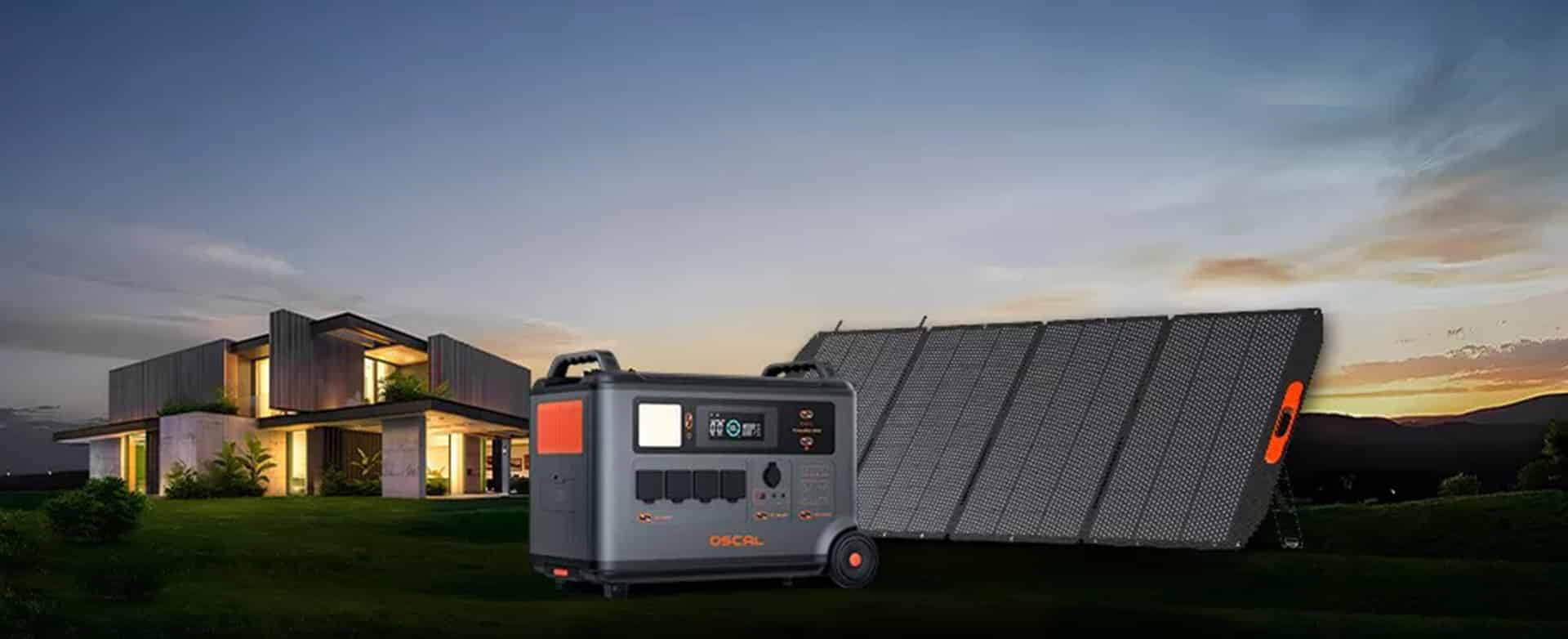
Portable Solar Panels — Turn Daylight into Useful Off-Grid Power
Who it’s for: These panels are for travelers and off-grid users who want to recharge a compatible power station when an outlet is not nearby. The best panel is the one that fits both your station’s input and the space you can carry.
Pack a Recharge Option for Camp, RV and Field Work
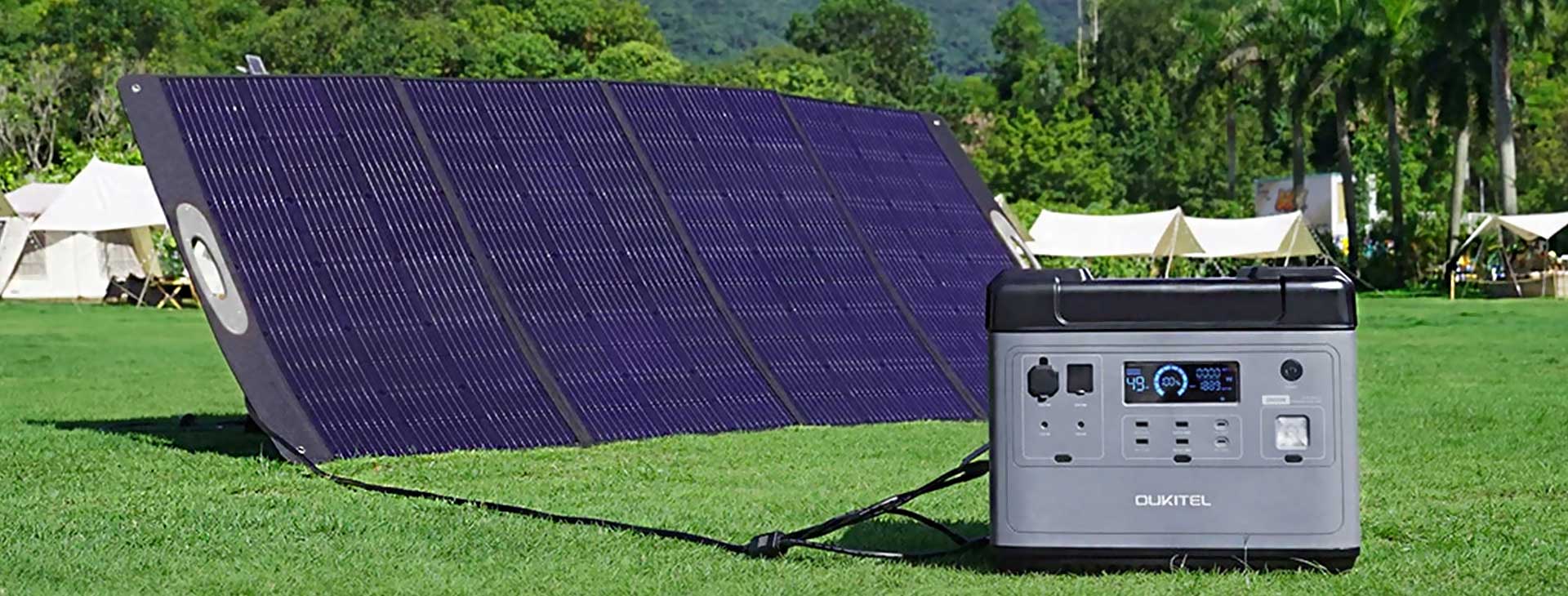
Portable solar panels convert sunlight into DC electricity for a compatible power station or supported USB/DC device. They do not store energy by themselves. RuggedZone’s Solar Panels page is limited to products in the Power Zone solar directory, including 30W, 100W, 200W and 400W options from AFERIY, OUKITEL and OSCAL.
Wattage alone does not determine compatibility. Before connecting a panel, compare its open-circuit voltage (Voc), operating voltage, short-circuit/current output, connector and polarity with the receiving station’s permitted solar-input range. Do not exceed any voltage, current or wattage limit, even when the plugs appear to fit.
- Electrical match: panel Voc must stay within the station input limit in expected weather conditions.
- Connector match: MC4 or another connector describes the physical interface, not automatic voltage or polarity compatibility.
- Portable format: compare folded size, weight, kickstand, cable storage and setup time.
- Field protection: verify the exact IP statement and whether it covers the panel surface, junction box and connectors.
Shop Portable Solar Panels
Browse all current products from the Power Zone Solar Panels collection, then use the brand tabs to narrow the list. Match voltage, current, connector and polarity to the receiving power station first, then choose the wattage and folded size that suit your travel plan.
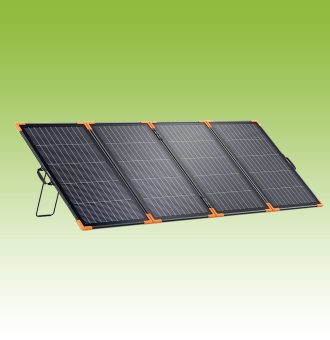
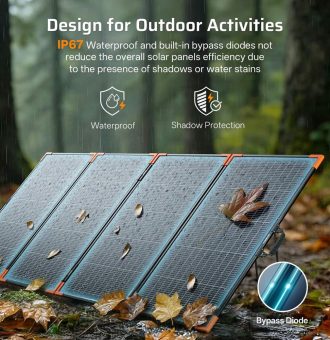
AFERIY AF-SA400 400W High-Efficiency Solar Panel with Monocrystalline Cells, ETFE Lamination, Aluminum Frame and 33V High-Voltage Output
Original price was: $1,899.99.$1,099.99Current price is: $1,099.99.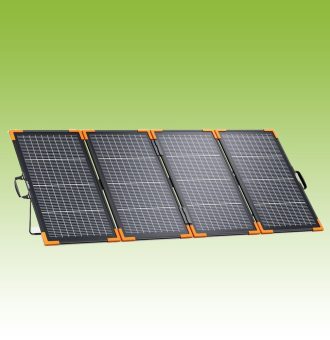
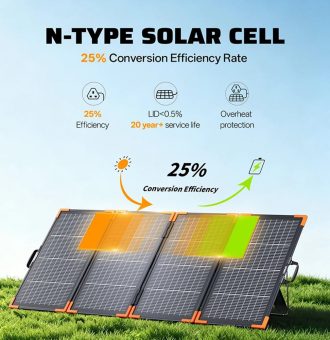
AFERIY AF-SA200 200W Bifacial Foldable Solar Panel with 25% High-Efficiency Monocrystalline Cells, ETFE Lamination, Aluminum Frame and IP67 Protection for RV, Camping & Home Backup
Original price was: $1,499.99.$899.99Current price is: $899.99.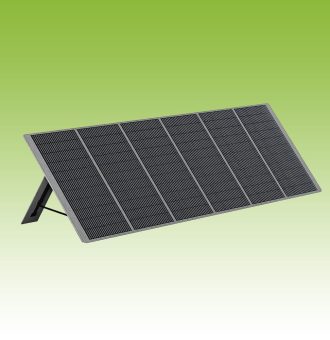
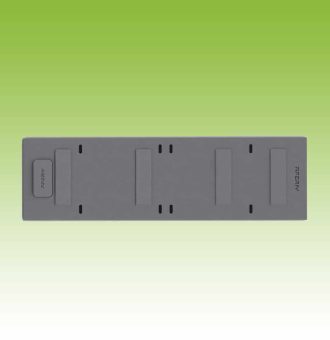
AFERIY AF-S400A1 400W Foldable Solar Panel, Monocrystalline ETFE Solar Charger with 23% High Conversion Efficiency, Adjustable Kickstand, IP65 Water-Resistant Design, USB-C PD & DC Output
Original price was: $1,699.99.$999.99Current price is: $999.99.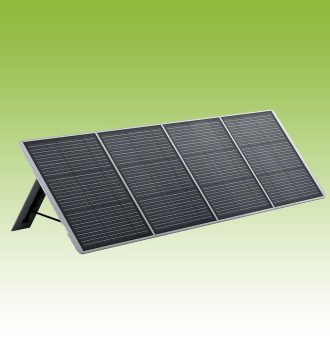
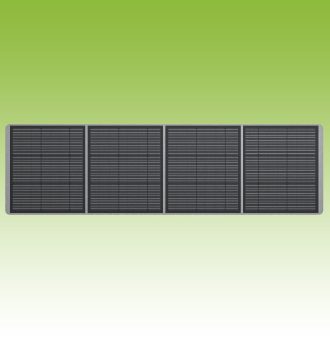
AFERIY AF-S200A1 200W Foldable Solar Panel, Monocrystalline ETFE Solar Charger with 23% High Conversion Efficiency, 5 Output Ports, Adjustable Kickstand, IP65 Waterproof
Original price was: $1,399.99.$799.99Current price is: $799.99.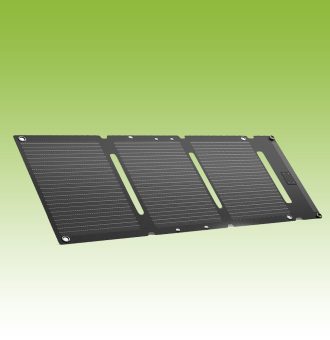
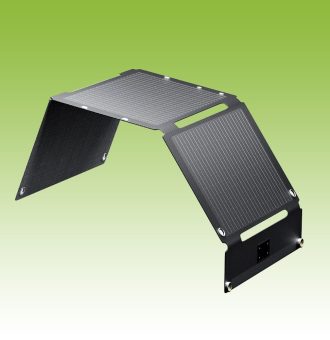
AFERIY AF-SL30 30W Portable Solar Panel, Foldable Monocrystalline ETFE Solar Charger with Up to 25% Conversion Efficiency, USB-C 18W & USB-A Fast Charging, IP65 Waterproof
Original price was: $1,099.99.$499.99Current price is: $499.99.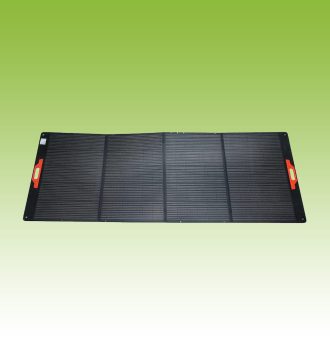
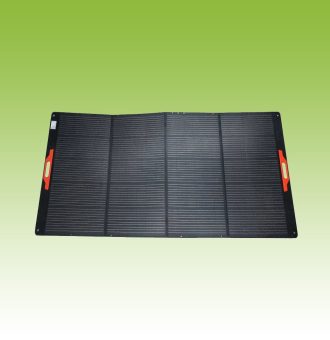
OSCAL PM400 Pro 400W Portable Solar Panel with 23% High-Efficiency Monocrystalline Cells, ETFE Coating, IP67 Waterproof Design and Foldable Structure for Outdoor Power Stations
Original price was: $1,499.99.$999.99Current price is: $999.99.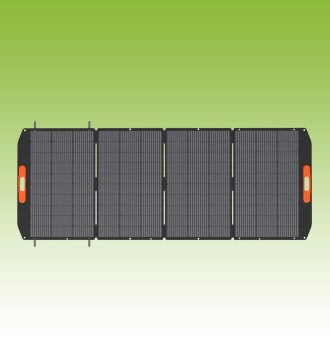
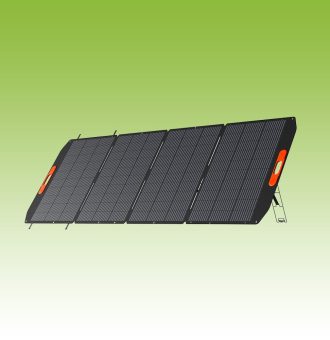
OSCAL PM400 Plus 400W Portable Solar Panel with High-Efficiency Monocrystalline Solar Cells, Foldable Design and MC4 Connector for Portable Power Stations
Original price was: $1,499.99.$999.99Current price is: $999.99.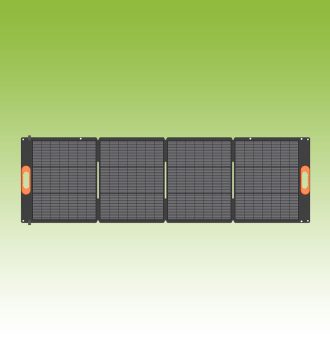
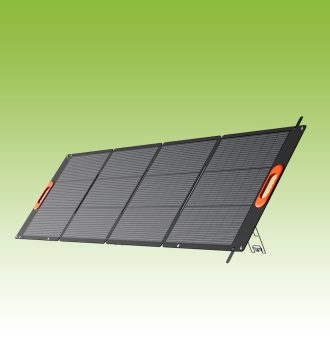
OSCAL PM200 Plus 200W Portable Solar Panel with High-Efficiency Solar Cells, Foldable Design, MC4 Connector and Reliable Outdoor Power Charging
Original price was: $1,099.99.$799.99Current price is: $799.99.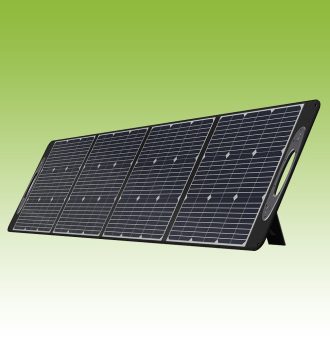
OUKITEL PV100 100W Portable Solar Panel with Foldable Design, MC4 Connector and Lightweight Portable Power Station Compatibility
Original price was: $1,099.99.$699.99Current price is: $699.99.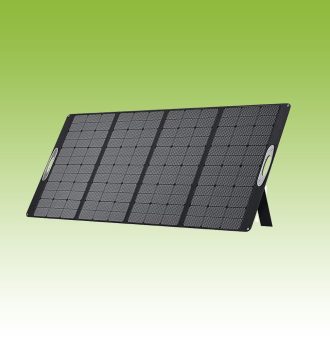
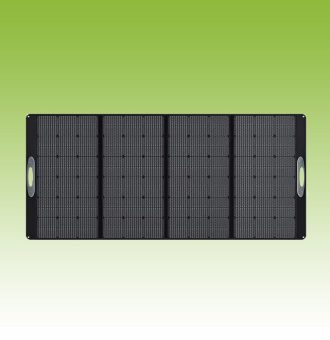
OUKITEL PV400 400W Portable Solar Panel with 24.8% Monocrystalline Silicon Cells, ETFE Lamination, IP68 Waterproof, MC4 Connector and Foldable Design
Original price was: $1,599.99.$1,099.99Current price is: $1,099.99.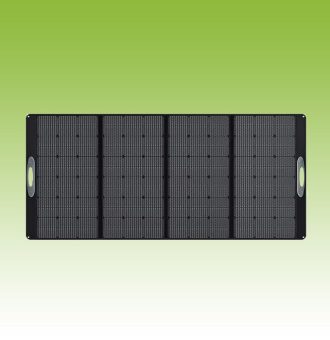
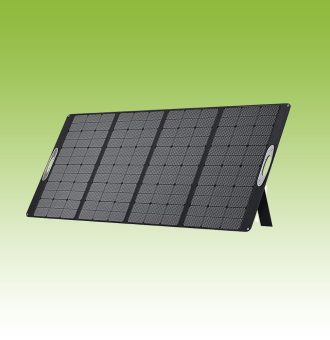
OUKITEL PV200 200W Portable Solar Panel with 24.8% Monocrystalline Cells, ETFE Coating, IP68 Waterproof, MC4 Connector for Portable Power Stations
Original price was: $1,399.99.$899.99Current price is: $899.99.How to Choose a Solar Panel for a Power Station
1. Check Voltage Before Wattage
Find the panel’s Voc and the power station’s accepted PV input voltage. The panel—or a series-connected group—must remain below the station’s maximum input voltage. Cold conditions can raise panel voltage. If specifications are missing or unclear, do not connect the equipment until the product guidance confirms the combination.
2. Check Current, Connector and Polarity
Confirm the maximum panel current, the station’s current limit and the connector pinout. Parallel connections can increase current; series connections increase voltage. Use only cables, adapters and connection arrangements approved for both devices.
3. Match Panel Size to the Recharge Window
| Catalog class | Models to review | Typical decision |
|---|---|---|
| 30W portable | AFERIY AF-SL30 | Light USB-focused charging and high portability; check whether the target station accepts its output. |
| 100W foldable | OUKITEL PV100 | Compact station charging where packing size matters more than maximum input speed. |
| 200W foldable | AFERIY AF-SA200, AF-S200A1, OUKITEL PV200 | Balance transport, setup area and useful recharge input for camping or RV use. |
| 400W portable/foldable | AFERIY AF-S400A1, OSCAL PM400 Pro, OUKITEL PV400 | Higher potential input, with more weight, surface area and stricter voltage/current matching. |
Rated watts are measured under defined test conditions. Cloud, shade, sun angle, panel temperature, dirt, cable loss and the receiving station’s input limit reduce real output. EcoFlow’s official portable solar panel manual likewise instructs users to check open-circuit voltage and short-circuit current before connection.
What Makes a Portable Solar Panel Field-Ready?
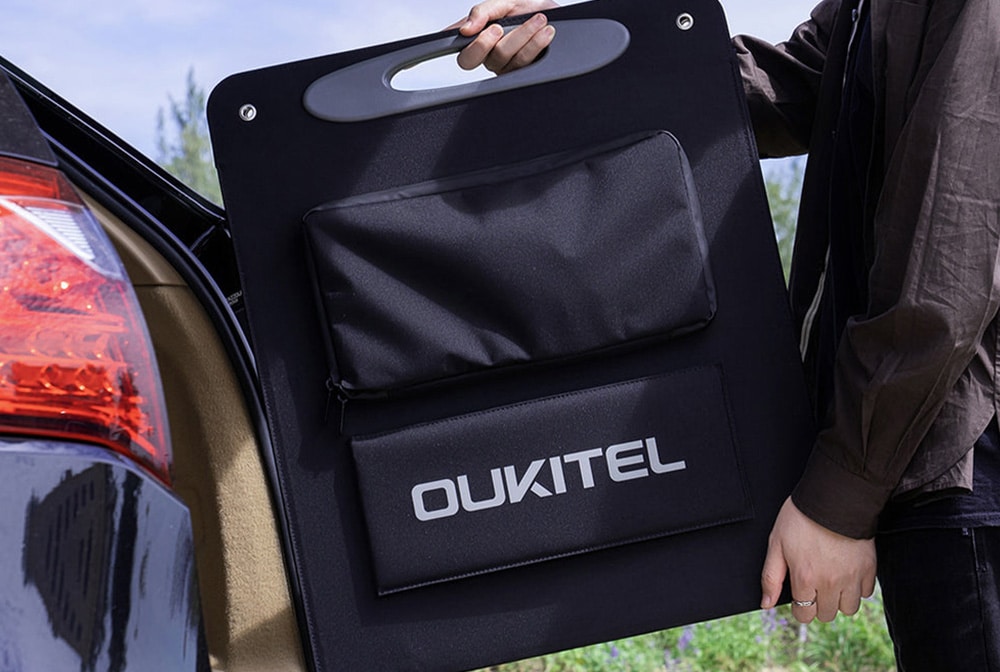
A practical field panel combines electrical compatibility with fast setup, stable support, manageable weight and protection appropriate to the environment. Monocrystalline cells, ETFE surfaces, bifacial construction, adjustable stands and published IP ratings can help, but compare the exact specification and test scope. The best match is the panel that stays within the station’s input window and can be positioned in clear sun.
Portable Solar Panel Setup and Care
Placement for Better Collection
Unfold the complete panel, aim it toward unobstructed sun and adjust the angle as the sun moves. Partial shade across one section can reduce output. Keep the panel stable in wind and do not place it where vehicles, doors or foot traffic can damage cells or cables.
Water Resistance Is Model-Specific
An IP-rated panel is not automatically safe for every wet condition. The rating can apply differently to the laminated surface, junction box and connectors. Do not connect wet or contaminated contacts, and dry the panel before folding and storage. Follow the manual’s limits for rain, immersion, saltwater and cleaning.
Series and Parallel Connections
Do not combine panels by guesswork. Series wiring raises voltage; parallel wiring raises current. Mixed panels can behave unpredictably, and reverse polarity can damage equipment. Calculate the full array values under the expected temperature and obtain product confirmation if the station manual does not list the arrangement.
Match the Panel Before You Head Outside
- Record the receiving power station PV voltage, current and wattage limits.
- Confirm panel Voc, operating voltage, current, connector and polarity.
- Check folded and unfolded dimensions, weight, handles, case and kickstand.
- Verify the stated IP rating and its scope, plus operating and storage temperatures.
- Confirm connection details and whether a separately approved adapter is required.
- Allow for weather and non-ideal output when planning daily energy.
For cables, vehicle chargers and other equipment, see Power Accessories. Review current shipping, warranty and return terms.
Choose a Solar Panel That Fits Your Power Station
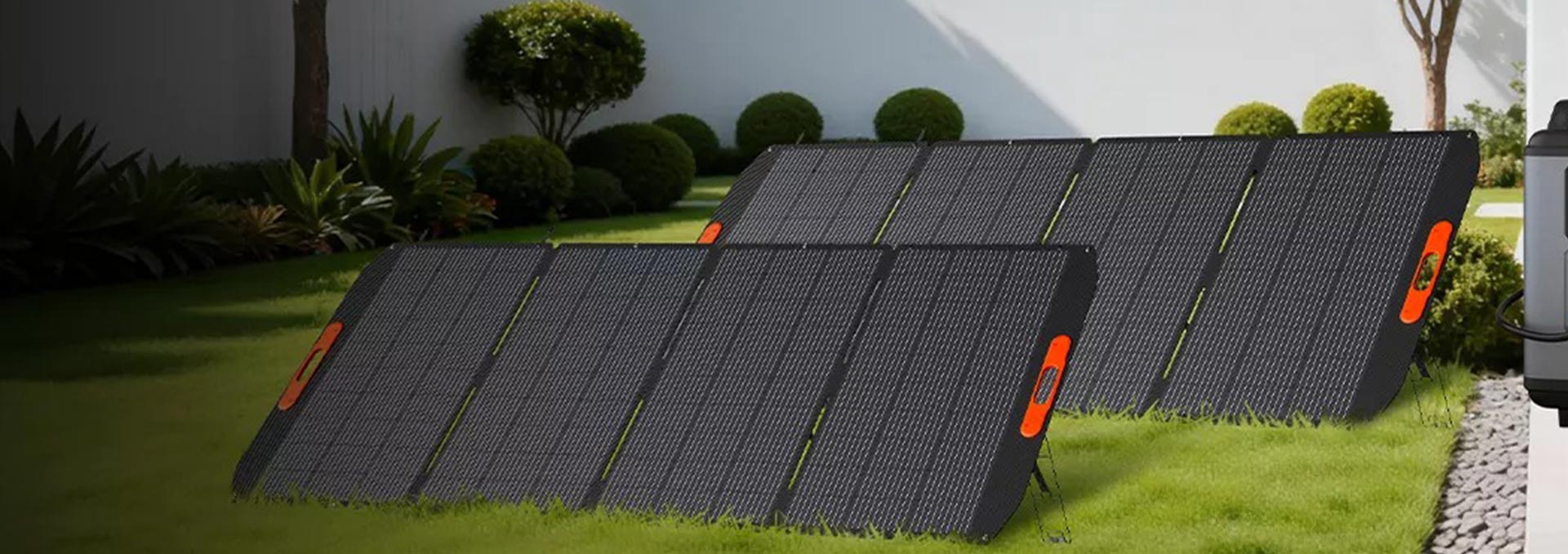
Our portable panel collection is organized for buyers who need an off-grid recharge plan, not just the largest wattage label. Electrical fit, folded size and setup area all stay part of the comparison.
Tell us the exact receiving power station and how much panel space you can carry. We can help narrow compatible options while you decide between faster potential input and easier packing.
Portable Solar Panel FAQs
It is a movable photovoltaic panel that converts sunlight into DC power for a compatible station. The panel does not store energy; the power station battery does.
No. Panel open-circuit voltage, operating voltage, current, wattage, connector and polarity must fit the station’s solar-input specification.
No. A matching plug does not prove that voltage, current, polarity or total array size is safe for the receiving device.
Rated output uses defined test conditions. Sun angle, clouds, shade, cell temperature, dirt, cable loss and the station input limit reduce real-world output.
Choose after checking the station input window, daily energy target, available setup area, transport weight and expected sunlight. Higher wattage can recharge faster only when the station accepts it.
A larger panel is simpler to connect, while smaller panels can be easier to pack and position. Whichever route you choose, the combined voltage and current must stay within the station’s solar input limits.
Only when the manuals approve the arrangement and the combined voltage/current remains within every limit. Series raises voltage; parallel raises current.
Unfold the panel fully, aim it toward direct sun and adjust the angle as the day moves. Even a small patch of shade can reduce output, so keep bags, branches and vehicle shadows off the cells.