






 Worldwide Free Shipping On All Orders
 100% Secure Payment, No Risk
 90 Days Easy Return !
Hongkong Warehouse And In stock,Shipped Out around 24hours
Worldwide Free Shipping On All Orders
100% Secure Payment, No Risk
90 Days Easy Return !
Hongkong Warehouse And In stock,Shipped Out around 24hours
90 Days Easy Return !
Hongkong Warehouse And In stock,Shipped Out around 24hours
Worldwide Free Shipping On All Orders
100% Secure Payment, No Risk
90 Days Easy Return !
Hongkong Warehouse And In stock,Shipped Out around 24hours
Power Zone Brands
Explore current portable power, solar and accessory products from AFERIY, IEETek, OUKITEL, OSCAL, Newsmy and NECESPOW. Brand availability varies by category.
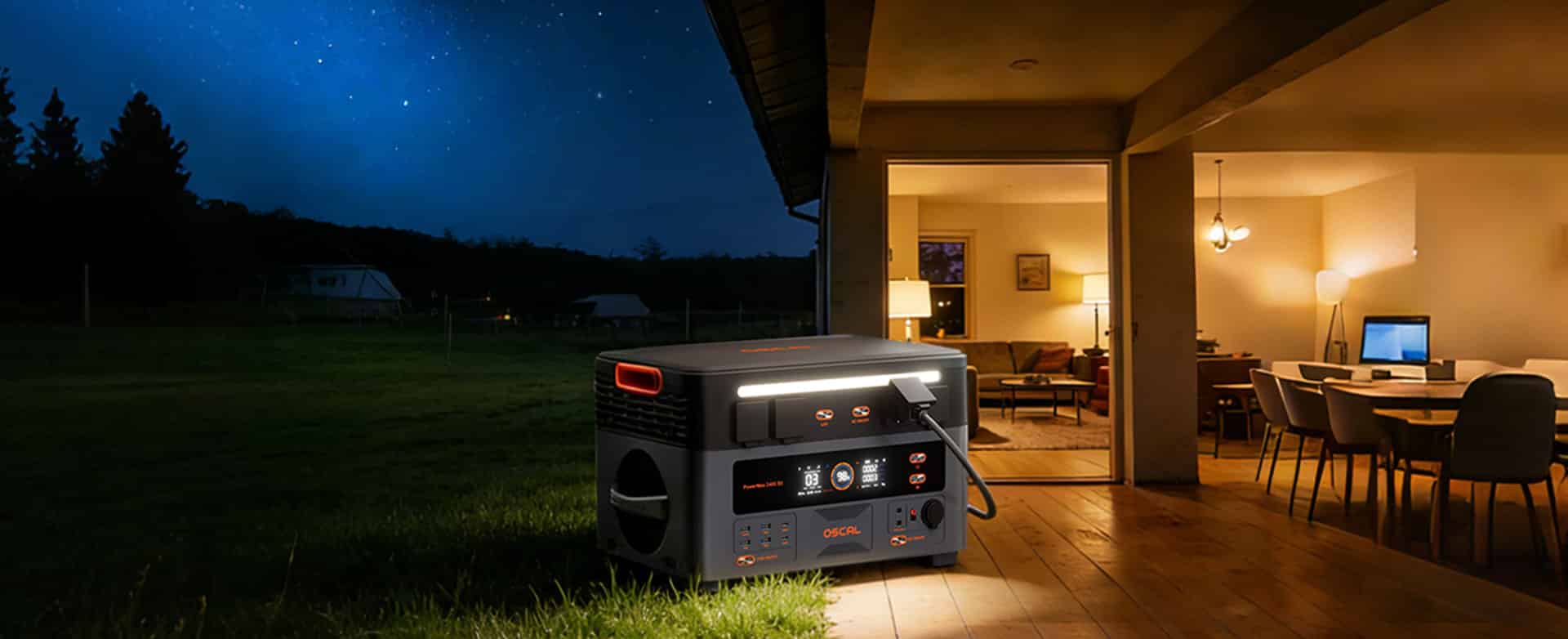
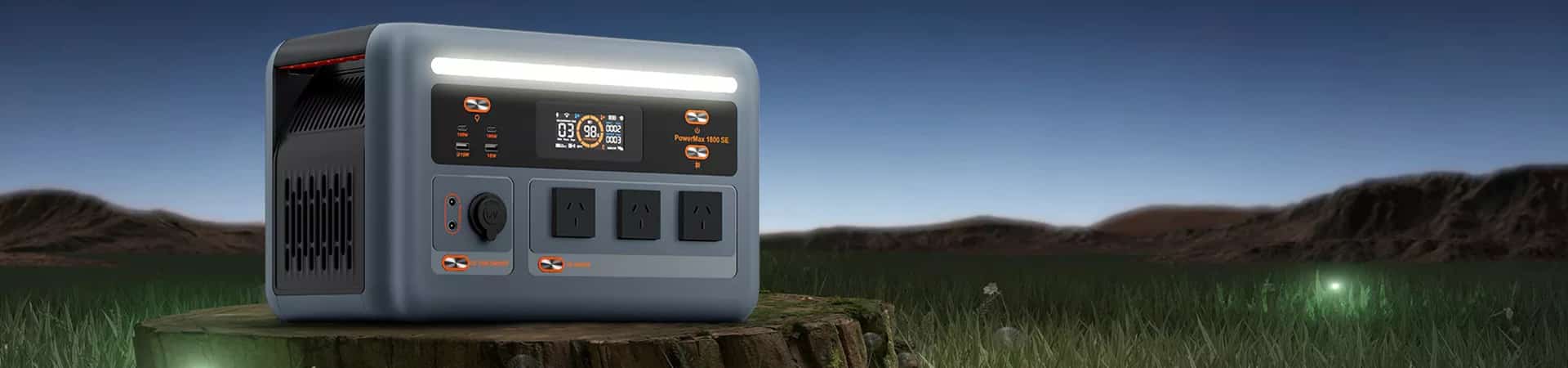
Rugged Power Stations — Bring Quiet, Portable Power to the Job
Who it’s for: Campers, RV users, mobile creators, field crews and households planning essential backup can all start here. List what you want to run and for how long; that quickly narrows the right capacity and output range.
Choose the Capacity That Keeps Your Essentials Running
Rugged power stations are rechargeable battery systems that combine stored energy, an inverter and multiple AC, USB and DC outputs in a movable enclosure. They can support camping, RV travel, outdoor work and selected home-backup loads without a fuel engine. The reinforced formats, protected controls and field-friendly designs make these stations easier to bring beyond the living room. We show the available protection and operating details beside the power specifications so you can choose confidently for camp, vehicle or work use.
Here you can compare complete portable power stations for camp, vehicle, field and essential backup use. The product choices stay focused on ready-to-use stations so capacity, outlets and recharge options are easier to understand at a glance. Compare the appliance load first, then capacity, recharge options, outlets, region, weight and safety documentation.
- Watts (W): how much power the station can deliver at one time. Check continuous output and the starting surge of motors or compressors.
- Watt-hours (Wh): stored energy that influences runtime. Real runtime is lower than a simple Wh ÷ W calculation because loads vary and conversion uses energy.
- Input: compare AC recharge, solar input voltage/current/wattage and vehicle-charging support.
- Mobility: balance capacity against dimensions, carrying weight, handles and wheels.
Shop Rugged Power Stations
Browse current complete power stations from the Portable Power Station collection. Use the tabs for all eligible stations or brand-specific views. Write down the running watts, starting watts and hours for each essential device; this gives you a useful capacity target before you compare models.
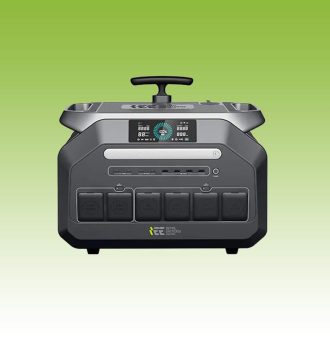
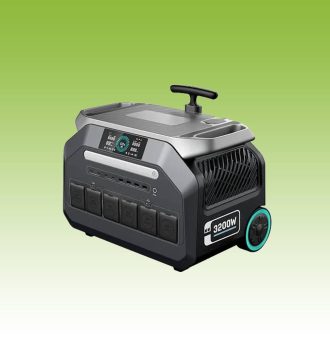
IEETek P3200 3200W Portable Power Station with 2048Wh LiFePO4 Battery, High-Capacity Solar Generator with 6400W Surge Output, Smart App Monitoring, 10ms UPS Backup and 14 Ports
Original price was: $3,199.99.$2,499.99Current price is: $2,499.99.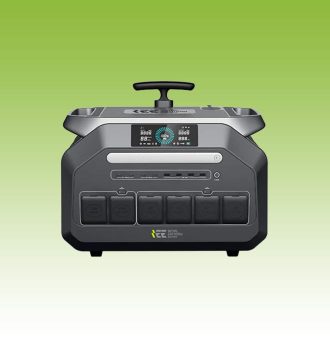
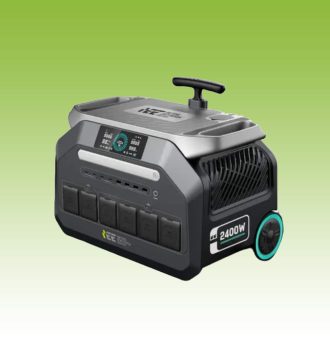
IEETek P2400 Portable Power Station 2400W/2048Wh LiFePO4 Solar Generator, 10ms UPS Backup Power with Smart App Control, 1000W Solar Input and Multiple Outputs
Original price was: $2,799.99.$1,899.99Current price is: $1,899.99.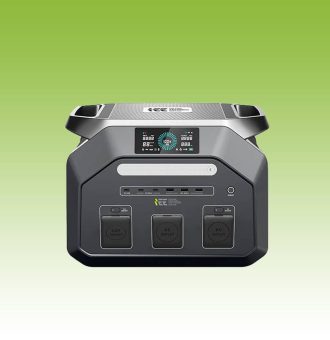

IEETek P1800 Portable Power Station 1800W/1024Wh LiFePO4 Solar Generator with UPS, App Control and Fast Charging for Camping, RV and Home Backup
Original price was: $2,099.99.$1,399.99Current price is: $1,399.99.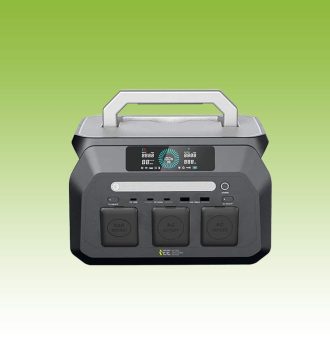
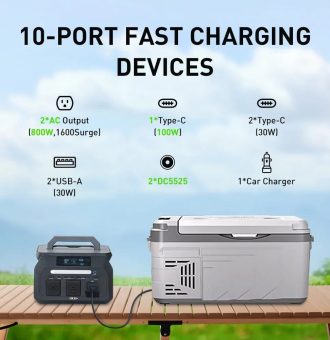
IEETek P800 Portable Power Station 800W/512Wh LiFePO4 Solar Generator, 70-Min Fast Charging, 300W Solar Input, 10 Output Ports, 10ms UPS, Portable Backup Power
Original price was: $1,899.99.$1,099.99Current price is: $1,099.99.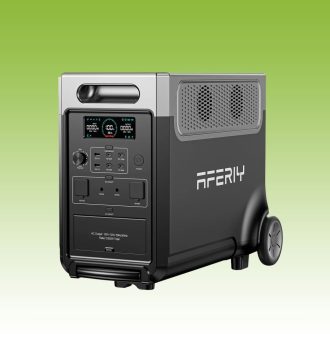
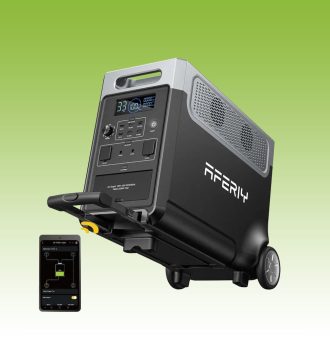
AFERIY P310 Portable Power Station 3600W 3840Wh, Expandable to 11520Wh LiFePO4 Solar Generator with 15 Outputs, 10ms UPS, 2000W Solar Input and App Control
Price range: $2,399.99 through $2,599.99
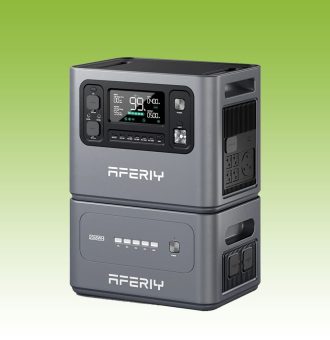
AFERIY P280 Portable Power Station 2800W 2048Wh, Expandable to 10240Wh LiFePO4 Solar Generator with 15 Ports, 10ms UPS, 1800W Fast Charging and App Control
Original price was: $2,599.99.$1,699.99Current price is: $1,699.99.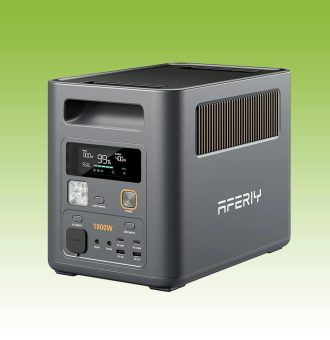
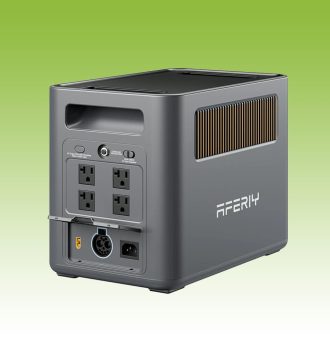
AFERIY Nomad1800 Pro P180 Pro Portable Power Station 1800W 1024Wh, Expandable to 5120Wh LiFePO4 Solar Generator with 14 Ports, 10ms UPS, Fast Charging for Home Backup, Camping and RV
Original price was: $2,099.99.$1,499.99Current price is: $1,499.99.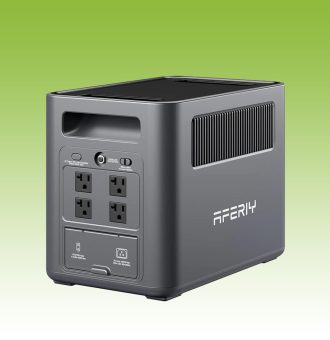
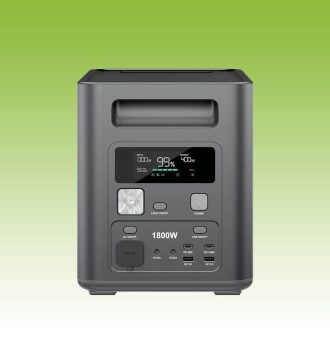
AFERIY Nomad1800 P180 1800W Portable Power Station 1024Wh LiFePO4 Battery Backup Generator with UPS Function, App Control, Solar Charging
Original price was: $1,699.99.$1,099.99Current price is: $1,099.99.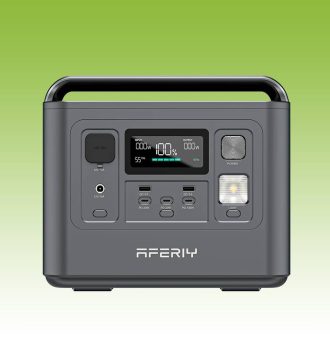
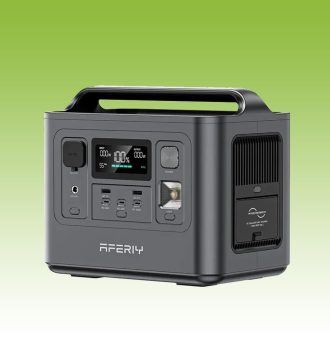
AFERIY P010 Portable Power Station 800W 512Wh, LiFePO₄ Battery Backup Power Supply with 10ms UPS, 8 Outputs, Fast Charging, Solar Generator
Original price was: $1,299.99.$899.99Current price is: $899.99.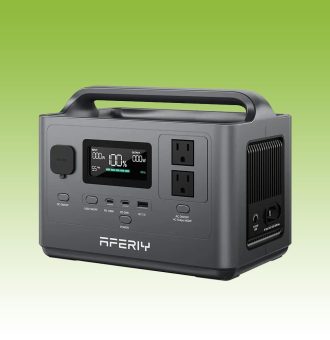
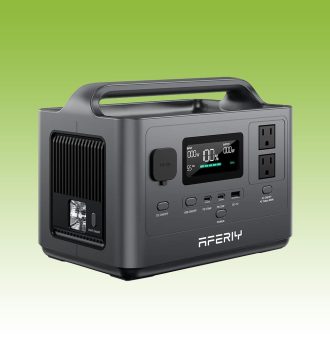
AFERIY P040 Portable Power Station 400W 256Wh LiFePO4 Solar Generator with 6 Output Ports, 100W USB-C PD, 10ms UPS Backup, Fast Recharge for Camping & Home Backup
Original price was: $1,199.99.$799.99Current price is: $799.99.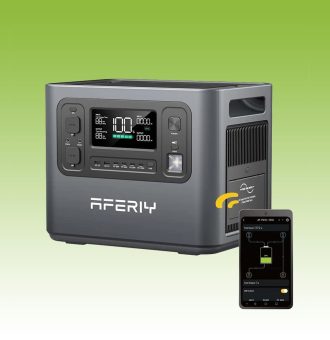
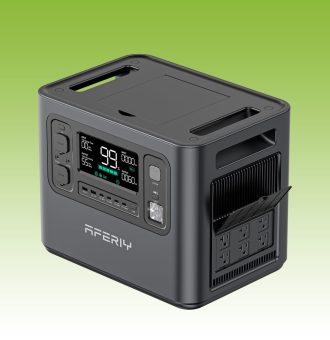
AFERIY P210 Portable Power Station 2400W 2048Wh Solar Generator with LiFePO4 Battery, 10ms UPS Backup Power, 1600W Fast Charging, 4000+ Cycles
Original price was: $1,699.99.$1,099.99Current price is: $1,099.99.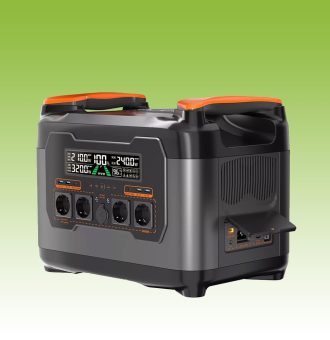
Newsmy S2400 2400W Portable Power Station 2048Wh All-in-One Balcony Solar Power System with Built-in Micro Inverter, Home Energy Storage Battery Backup and UPS Power Supply
Original price was: $2,299.99.$1,599.99Current price is: $1,599.99.How to Choose a Rugged Power Station
Start with a written load list. Record each device’s running watts, possible starting watts and estimated hours of use. Add simultaneous loads rather than checking one appliance at a time, and allow a practical margin instead of operating continuously at the published maximum.
| Decision | What to compare | Why it matters |
|---|---|---|
| Can it start the load? | Continuous AC output, surge output, waveform and device starting watts | A large battery cannot run an appliance whose starting or continuous demand exceeds the inverter limits. |
| How long can it run? | Capacity in Wh, expected average load and DC/AC conversion path | Wh estimates runtime, but inverter losses, standby use, temperature and load cycling reduce usable energy. |
| How will it recharge? | AC input, solar voltage/current range, maximum solar watts, vehicle input and charge time conditions | A high-capacity station is useful only if the available source can restore it in the required time. |
| Which outputs are needed? | Regional AC sockets, USB-C PD, USB-A, regulated DC, car socket and total port limits | Port count does not guarantee every port can deliver its maximum simultaneously. |
| Is backup switching required? | Published transfer time, supported load type and product limitations | A fast transfer claim is not automatically equivalent to a certified UPS for servers, medical devices or life-safety equipment. |
| Can it be moved safely? | Weight, dimensions, handle, wheels and storage position | Higher capacity usually adds mass; “portable” can mean wheeled rather than one-hand carry. |
Current Capacity and Output Examples
- Compact loads: compare the AFERIY P040 (256Wh/400W) and IEETek P800 (512Wh/800W) for electronics, lights and lower-draw equipment.
- Camping, RV and essential backup: review the IEETek P1800, AFERIY P180 and OUKITEL P1000 Plus; compare their exact capacity, AC output, charging and weight.
- Higher-demand or longer backup: compare the IEETek P3200, AFERIY P310 and OUKITEL P5000 Pro. Confirm that the size, weight and recharge plan suit the deployment.
For a product explanation of capacity and output, see EcoFlow’s guide to portable power station buying factors. Use it as general education, then verify the exact RuggedZone model documentation.
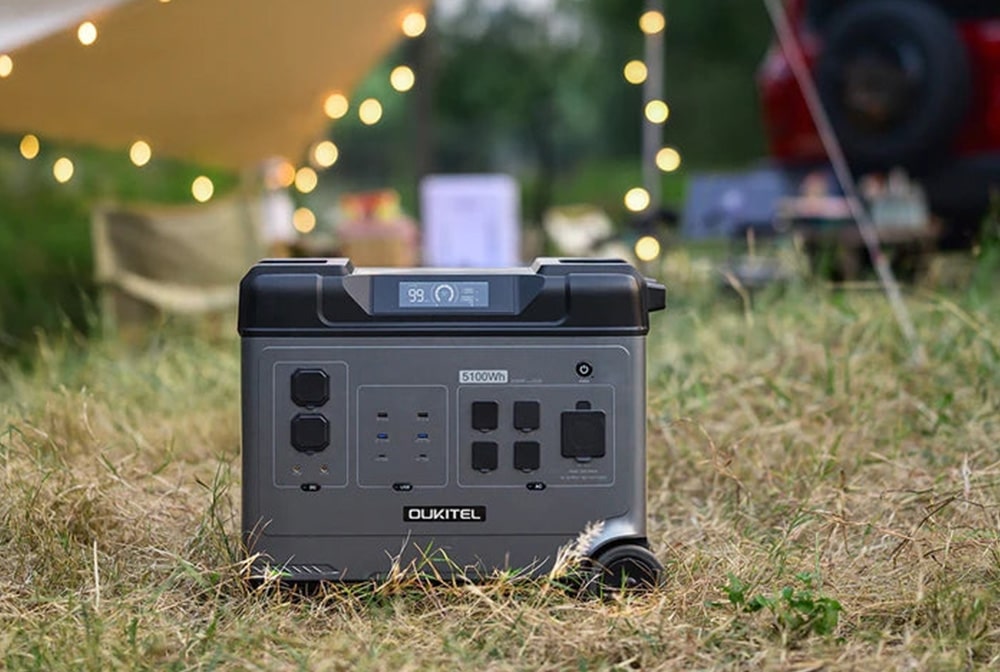
What Makes a Field-Ready Power Station Useful?
The most satisfying model is the one that matches both your load and the way you travel. LiFePO4 chemistry, pure sine-wave AC, an integrated BMS, fast recharge, MPPT solar input, app monitoring and wheels can all add real convenience; use the listed features to build the combination that matters to you.
Rugged Power Station Use Cases and Safety Checklist
Camping and RV Power
Prioritize carry weight, low idle consumption, quiet operation, DC outputs and a solar plan that fits the available roof or ground area. A portable fridge cycles on and off, while cooking appliances can have short high loads. Confirm vehicle-charging cables and ventilation before travel.
Outdoor Work and Mobile Production
Add the running and starting power for tools, chargers, lights, laptops and communications equipment that may operate together. Check dust/water evidence for the exact station, protect outlets from rain and conductive debris, and keep cables away from traffic and trip hazards.
Home Essential-Load Backup
List only the essential devices and test the intended sequence before an outage. Never connect a station to household wiring by an improvised backfeed cable. Transfer equipment and fixed electrical work must match the local system and be installed by a qualified professional. Critical medical or safety equipment needs an approved backup plan rather than an assumed runtime.
Plan Around Your Real Loads
- Confirm country voltage, frequency, plug and socket type.
- Check continuous and surge output against every load that can start or run together.
- Estimate required Wh, then allow for conversion losses, temperature, aging and reserve.
- Verify battery chemistry, stated cycle conditions, BMS, certifications and warranty evidence.
- Confirm AC, portable solar panel and vehicle-input limits plus connection details.
- Review weight, dimensions, noise, storage temperature and any published IP or drop rating.
Need charging hardware or roadside equipment? See Power Accessories. Review current shipping, warranty and return terms before ordering.
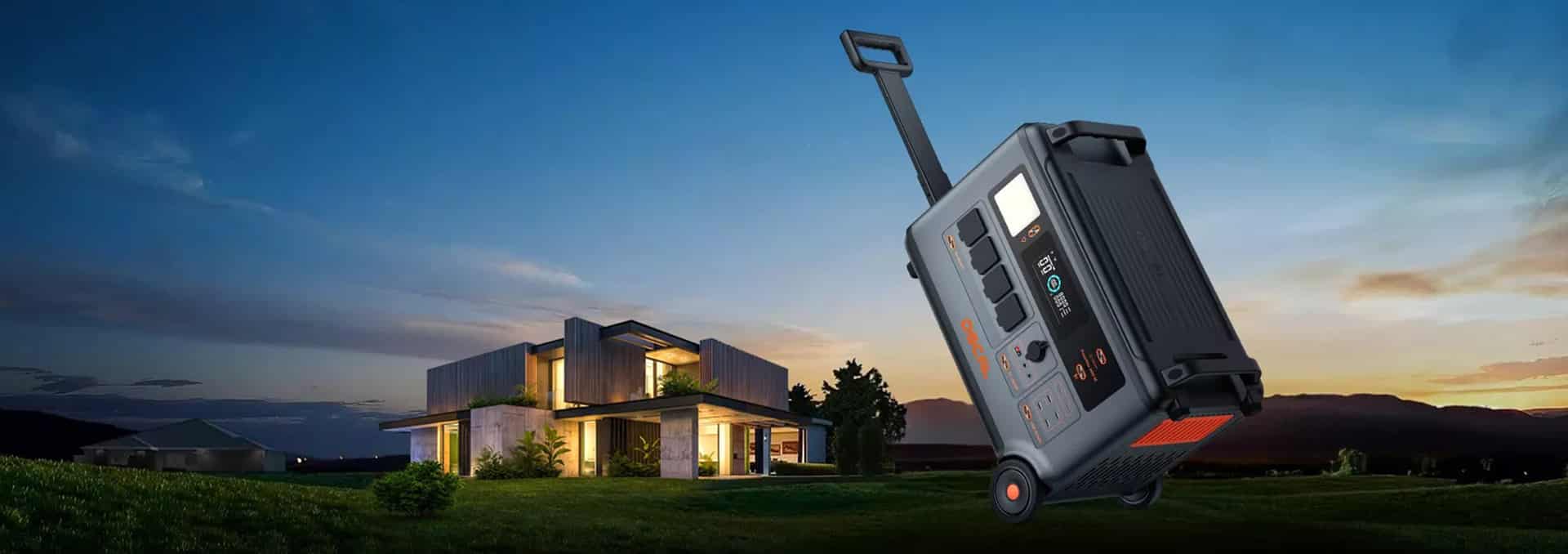
Portable Power Chosen Around What You Need to Run
We keep complete power stations together so shoppers can compare output, stored energy and recharge options without confusing them with battery extensions or panels. Start with your appliance list and the collection becomes much easier to navigate.
If you send our team the running watts, starting watts and hours for your key devices, we can help narrow a practical capacity range before you compare size and features.

Rugged Power Station FAQs
It is a movable rechargeable battery system with an inverter and several outputs for travel, field work or backup. Choose the size by the devices you want to run, the hours you need and how far you expect to carry it.
Watts describe how much power can be delivered at one time. Watt-hours describe stored energy and help estimate runtime. A station needs enough of both for the intended load.
Divide usable stored energy by the average load as a starting estimate, then allow for inverter losses, standby use, load cycling, temperature and battery condition. Test critical loads in advance.
Only if its continuous and starting-surge output meet the refrigerator requirements and it has enough usable capacity for the required time. Compressor behavior and ambient temperature affect runtime.
Only where the exact product documents the transfer mode, timing and supported loads. A fast switchover claim is not automatically suitable for medical, life-safety or all IT equipment.
Set it on a stable, dry surface with clear airflow and easy cable access. Keep outlets away from rain, sand and cooking heat, and avoid enclosing the unit in a small unventilated box while it is working.
No. The panel open-circuit voltage, operating voltage, current, wattage, connector and polarity must fit the station’s solar-input specification.
Leave room for conversion losses, colder weather and an extra hour or two of use. A practical reserve also keeps you from planning around the station’s absolute maximum every day.