








FREE SHIPPING
Proin condimentum sagittis

FREE RETURNS
Proin condimentum sagittis

SUPPORT 24/7
Proin condimentum sagittis

100% SAFE & SECURE
Proin condimentum sagittis

















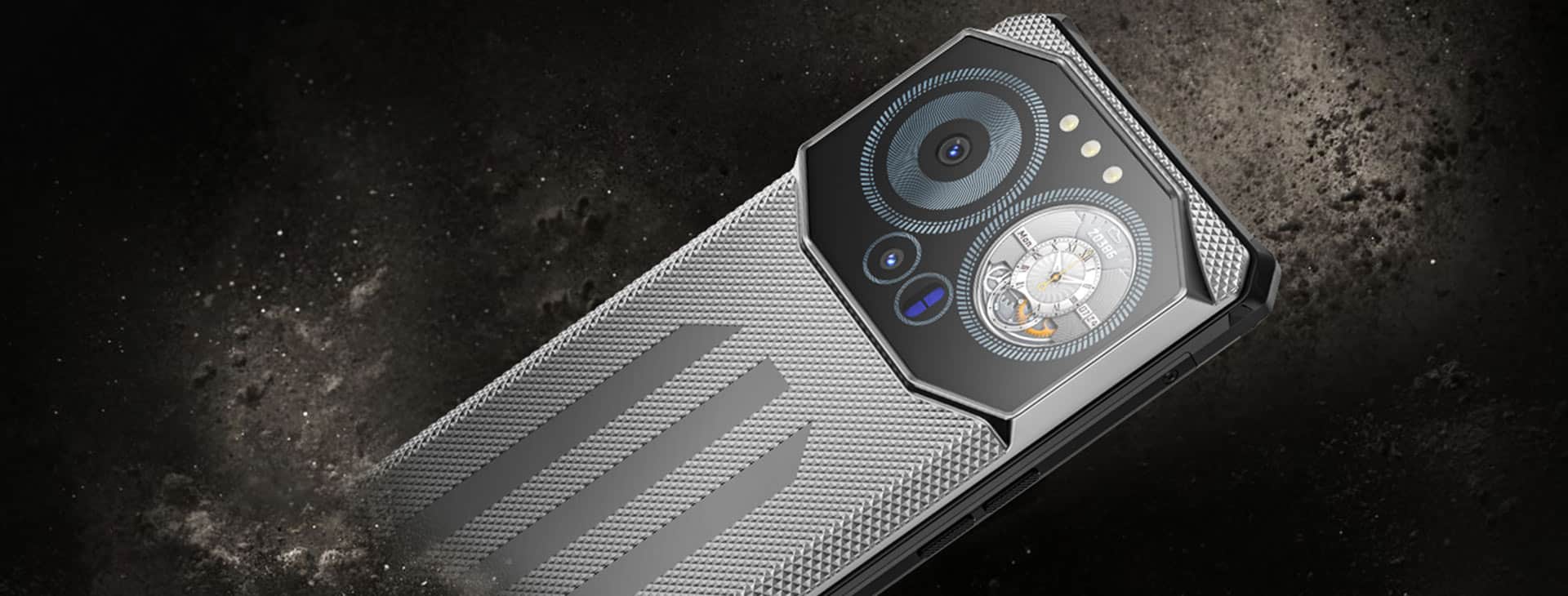
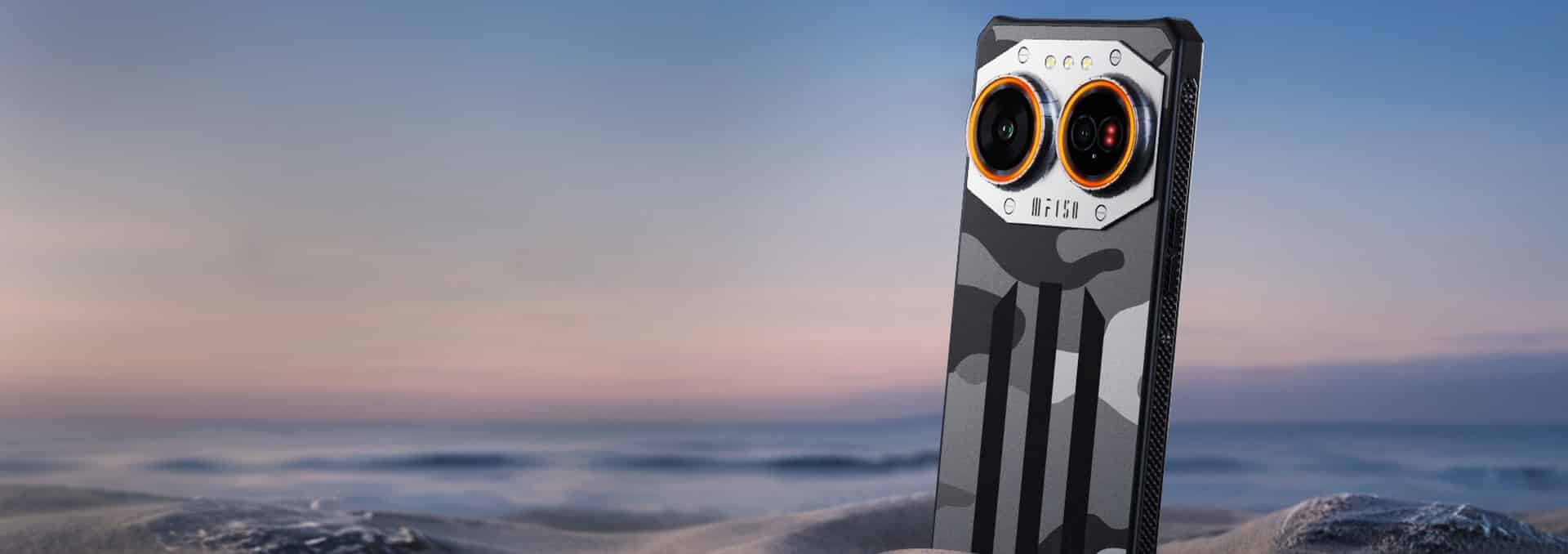
IIIF150 Rugged Phones
IIIF150 rugged phones combine protected construction with slimmer designs than many traditional rugged devices. The current Air, B, and Raptor models in this collection include 4G and 5G options, batteries from approximately 5,000mAh to 10,800mAh, dual displays, infrared night vision, thermal imaging on the Raptor, high-refresh-rate screens, and different charging speeds.
Not every IIIF150 phone includes the same specialist hardware. The Air series emphasizes portability, B models cover broader battery and dual-screen configurations, and the Raptor combines 5G, thermal imaging, and night vision. Protection ratings, dimensions, processor, physical RAM, virtual memory, storage, bands, and Android version vary by exact model.
Use this collection to compare current IIIF150 phones, then open each product page for the exact variant, price, availability, bands, dimensions, weight, included accessories, and warranty. A thinner rugged phone improves portability but may use a smaller battery, while thermal or dual-screen hardware can increase price, size, and complexity.
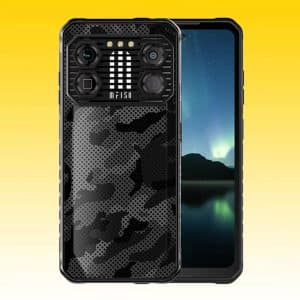
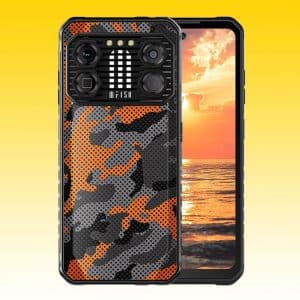
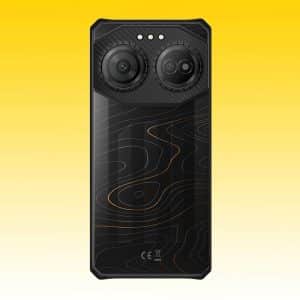
IIIF150 B2 Pro Ultra-Thin Rugged Smartphone with MediaTek Helio G99 Processor, 24GB (12+12) RAM, 256GB Storage, 6.8-inch FHD+ 120Hz Display, 10000mAh Battery
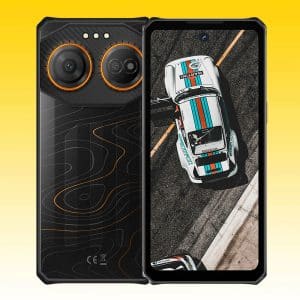
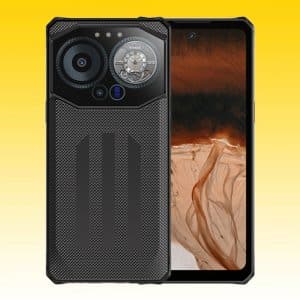
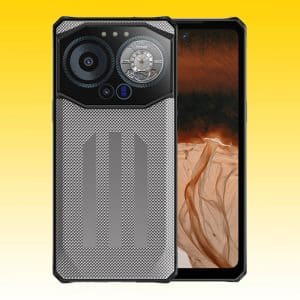
IIIF150 B3 Ultra-Thin Dual Screen Rugged Phone with MediaTek Helio G96 Processor, 20GB (8+12) RAM, 256GB Storage, 6.6-inch HD+ 90Hz Display, 10800mAh Battery
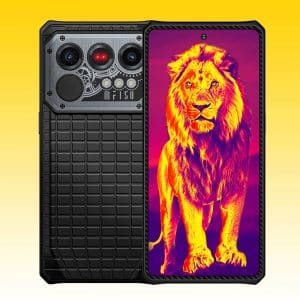
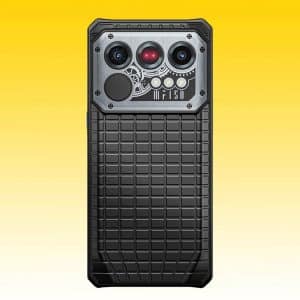
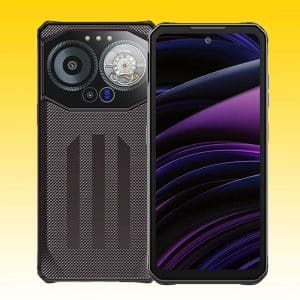
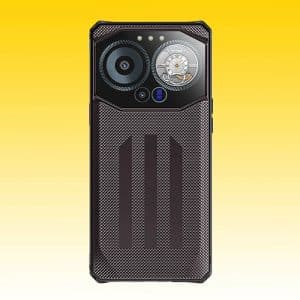
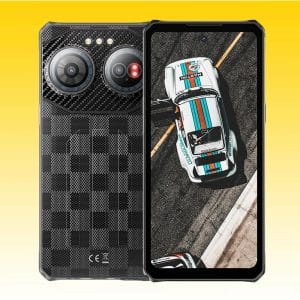
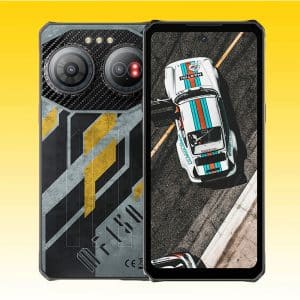
IIIF150 Air3 Ultra Thin Rugged Phone with Helio G96 Processor, 12GB+256GB, 5500mAh, 30W Fast Charging, 100MP + 20MP Dual Rear Cameras, 6.6″ HD+ 90Hz Display
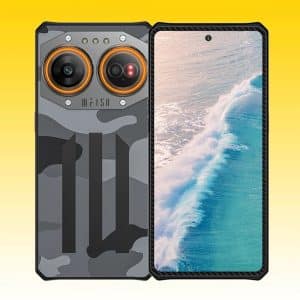
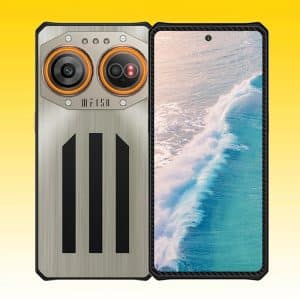
IIIF150 Air2 Ultra 5G Rugged Phone with MediaTek Dimensity 7050 Processor, 16GB+512GB, 5000mAh, 65W Fast Charging, 6.78″ FHD+ 120Hz AMOLED Display
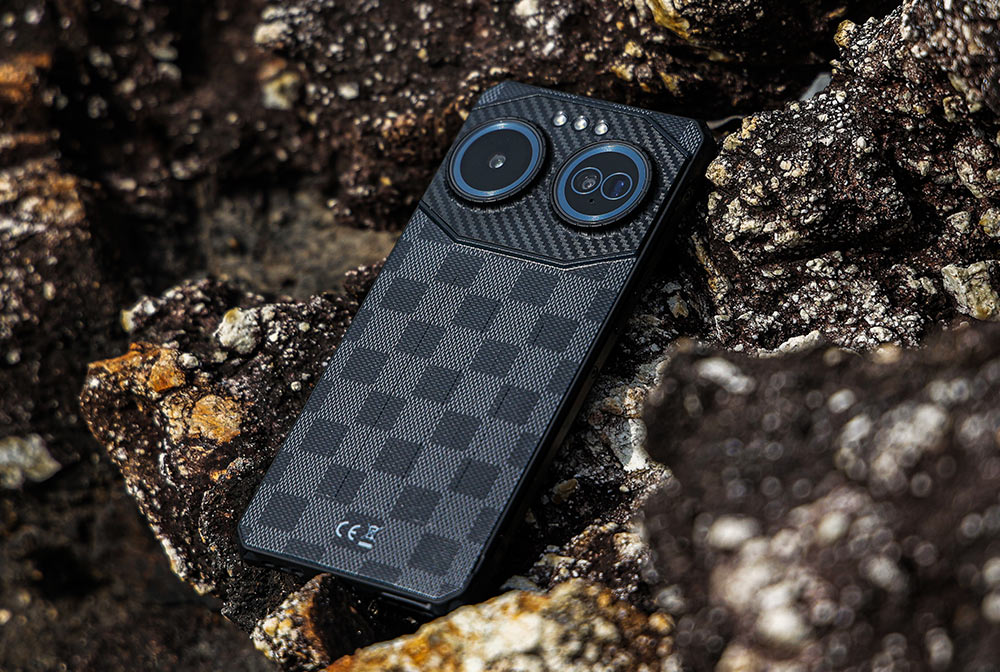
IIIF150 Ultra-Thin Design, Imaging and Trade-Offs
IIIF150’s distinguishing feature is the range of slimmer rugged designs across the Air and B families. Current models include AMOLED or LCD displays, 4G or 5G connectivity, 5,000mAh to 10,800mAh batteries, dual-screen designs, and charging speeds that vary substantially by model.
The Raptor adds thermal imaging and infrared night vision for preliminary inspection and low-light imaging. Thermal imaging visualizes temperature differences; night vision captures images in very low light. Neither feature should be assumed on every IIIF150 model, and phone-based thermal imaging should not replace certified professional instruments where safety or accuracy is critical.
Before buying, compare actual dimensions and weight rather than relying only on “ultra-thin” positioning. Also verify physical RAM separately from virtual expansion, the exact Android version, network bands, protection rating, charging speed, camera hardware, and regional variant.
Which IIIF150 Rugged Phone Fits Your Needs?
Choose an Air model when lower weight, a slimmer body, display quality, or faster charging is the priority. Choose a B model when battery capacity, dual screens, storage, or a balanced rugged configuration matters. Consider the Raptor only when its thermal and night vision hardware matches a real inspection or imaging requirement.
For everyday use, compare comfort, screen, processor, cameras, software, and network support. For field work, also review protection ratings, thermal specifications, battery, charging access, glove usability, and whether a dedicated professional tool is still required.
IIIF150 Air, B and Raptor Series
IIIF150 Air Series
Compare the IIIF150 Air3S, Air3, and 5G Air2 Ultra for processor, display, battery, charging, storage, network generation, dimensions, and price.
IIIF150 B Series
The B family includes the B2 Pro, dual-screen B3, and 5G B3 Pro. Compare physical RAM, storage, battery, rear display, cameras, and network bands.
IIIF150 Raptor Thermal Phone
The IIIF150 Raptor 5G combines thermal imaging and night vision with a 10,000mAh battery. Review thermal sensor specifications, measurement range, software, weight, and calibration expectations before purchase.
IIIF150 Ultra-Thin and Dual-Screen Phones
Air and selected B models emphasize thinner rugged construction, while the B3 adds a secondary display. Verify exact thickness and weight because “ultra-thin” is relative to the rugged-phone category, not conventional slim smartphones.
IIIF150 5G, Display and Charging Options
Raptor, B3 Pro, and Air2 Ultra are current 5G options in this collection. Compare supported bands, AMOLED or LCD panel, refresh rate, battery capacity, and charging speed rather than selecting on 5G alone.
Why Buy IIIF150 Rugged Phones from RuggedZone?
RuggedZone specializes in rugged mobile devices from multiple brands, helping shoppers compare IIIF150 phones by size, weight, network support, battery, performance, cameras, charging, and specialist features.
- Compare current Air, B, and Raptor models using the specifications that matter for your use case.
- Open the individual product page to confirm the exact model, variant, price, stock, and included accessories.
- Compare selected rugged phones side by side.
- Review warranty, shipping, and returns before ordering.
IIIF150 Product Information and Compatibility
Specifications, Android version, network compatibility, price, and availability can vary by model, region, or product variant. Use the individual product page as the final reference and confirm carrier or workplace requirements before purchase.

IIIF150 Rugged Phone FAQs
Choose Air for slimmer everyday portability, B for balanced rugged features, larger batteries, or dual-screen options, and Raptor for thermal imaging and night vision. Then compare bands, processor, physical RAM, storage, Android version, weight, battery, charging, and protection rating.
Ultra-thin describes their positioning within the rugged-phone category. Reinforced frames, seals, and larger batteries still make many models thicker and heavier than conventional phones. Check the exact dimensions and weight rather than relying only on the product label.
Thermal imaging is available on the Raptor model in the current collection. Verify the thermal sensor, resolution, measurement range, software functions, and exact variant. Other Air or B models should not be assumed to include thermal hardware.
Thermal imaging visualizes temperature differences, while infrared night vision captures clearer images in very low light. Night vision does not measure temperature. Phone-based thermal imaging should not replace certified equipment where accuracy, calibration, or safety is critical.
Compatibility depends on the exact model and variant, supported LTE and 5G bands, carrier policies, and device approval requirements. Supporting some bands does not guarantee activation. Confirm the model identifier and bands with the carrier before ordering.
A rear display can provide notifications, controls, or quick information depending on software support. It may also add complexity, power use, repair cost, and model-specific limitations. Check available functions, app support, battery impact, and protection before choosing a dual-screen model.
The current collection ranges from about 5,000mAh to 10,800mAh, with charging speed varying by model. Real endurance depends on display, signal, processor, temperature, cameras, and applications. Compare capacity with weight, thickness, charging wattage, and expected workload.
Selected models claim ratings such as IP68, IP69K, or MIL-STD-810H, but test conditions vary. No phone is indestructible or permanently waterproof. Aging seals, open ports, impacts, repairs, salt water, chemicals, and use outside stated conditions can reduce protection.
Some listings combine physical RAM with storage-based virtual memory. Virtual RAM can help background application management but is not equivalent in speed or capability to physical RAM. Compare the physical RAM amount separately when evaluating performance.
It may help with preliminary inspection and troubleshooting, but may not match the accuracy, calibration, certification, optics, measurement range, software, or serviceability of dedicated equipment. Match the phone specification to the task and safety requirements.
They can be when the model supports required applications, networks, battery, size, and charging needs. Check destination bands, roaming, device weight, charger requirements, and airline rules for lithium batteries before travel.
Confirm the exact model and variant, network bands, physical RAM, storage, Android version, dimensions, included accessories, shipping destination, taxes or duties, return eligibility, and warranty terms. Use the product and policy pages as the final reference.
WHAT OUR CUSTOMERS SAY





I've carried a Blackview phone for nearly a year, and it's handled everything from heavy rain to muddy job sites without any problems. The battery easily gets me through a full day, and I don't worry every time I put it down on concrete.




Between freezing temperatures and constantly being outdoors, my previous phones never held up very well. This rugged phone has been reliable through an entire winter season without any battery issues or screen problems. It's one less thing I have to worry about during work.