







 Worldwide Free Shipping On All Orders
 100% Secure Payment, No Risk
 90 Days Easy Return !
Hongkong Warehouse And In stock,Shipped Out around 24hours
Worldwide Free Shipping On All Orders
100% Secure Payment, No Risk
90 Days Easy Return !
Hongkong Warehouse And In stock,Shipped Out around 24hours
90 Days Easy Return !
Hongkong Warehouse And In stock,Shipped Out around 24hours
Worldwide Free Shipping On All Orders
100% Secure Payment, No Risk
90 Days Easy Return !
Hongkong Warehouse And In stock,Shipped Out around 24hours
Power Zone Brands
Explore current portable power, solar and accessory products from AFERIY, IEETek, OUKITEL, OSCAL, Newsmy and NECESPOW. Brand availability varies by category.
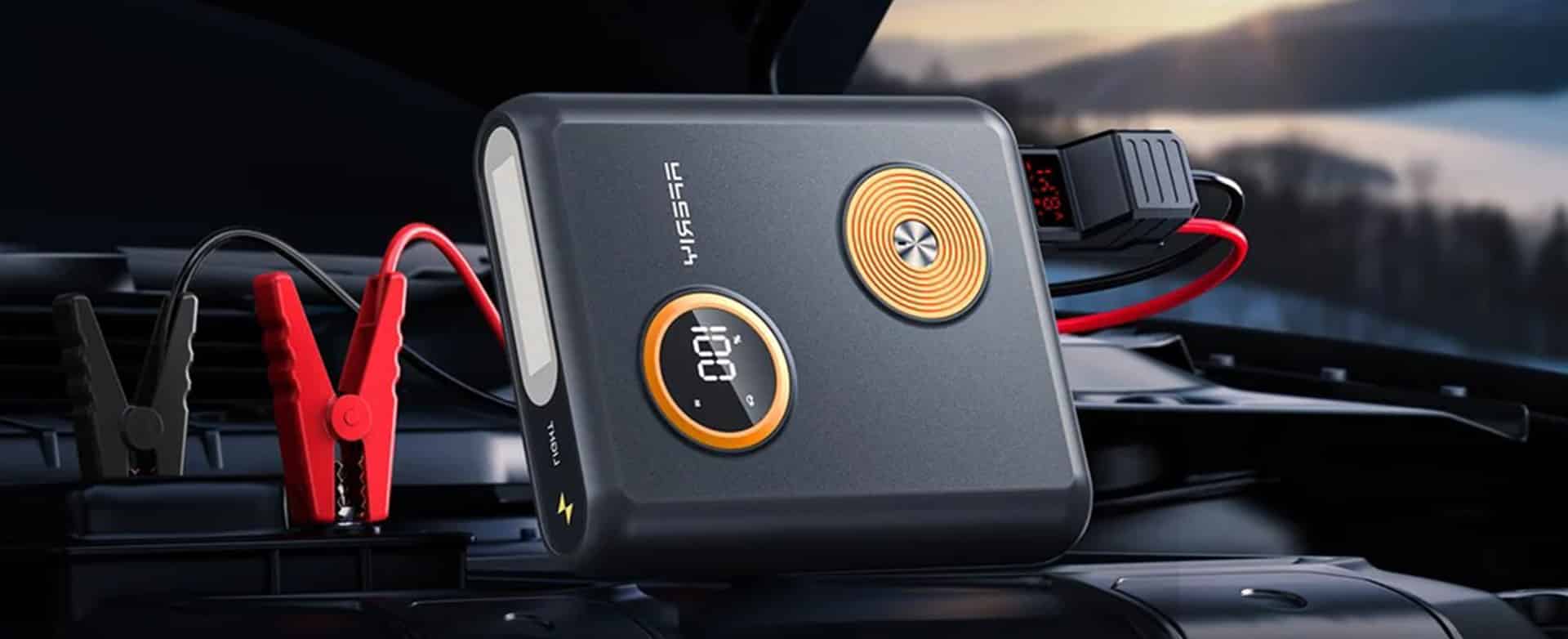
Power Accessories — Smarter Charging for Vehicles, Roadside and EVs
Who it’s for: Drivers, overlanders, RV owners and EV users can use this page to separate three different jobs: alternator charging, emergency jump starting and Level 2 EV charging. Start with the equipment you need to connect.
Choose the Right Tool for the Connection in Front of You
Power accessories in this RuggedZone collection cover three distinct jobs: charging a compatible portable power station from a vehicle alternator, starting a 12V vehicle with a portable jump starter, and supplying AC power to an electric vehicle through Level 2 charging equipment. These products are not interchangeable, and not every item connects to a portable power station.
The choices below are grouped by the job they do, making it easier to move from your vehicle or device to the right type of accessory. Match the accessory to the vehicle, battery, power station or EV first; then check voltage, current, connector, cable, installation, regional standards and included parts. Never infer compatibility from the brand name alone.
- Alternator charger: replenishes a compatible station while the vehicle engine is operating.
- Jump starter: provides a short high-current start to a supported 12V engine battery and may also act as a USB power bank.
- EV charging equipment: supplies controlled AC power to a compatible electric vehicle and requires the correct circuit and connector.
Shop Power Accessories
Browse the current Power Accessories collection and use the tabs for all products or brand-specific results. Identify the job and electrical system before looking at headline watts or amps; the correct connector and voltage are what make the accessory useful.
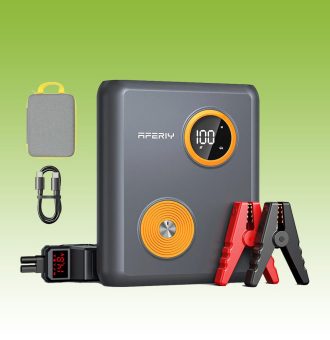

AFERIY GK03 Car Jump Starter 2000A 12V Portable Jump Starter, 27,500mAh Battery Pack, 60W PD Fast Charging, USB Power Bank for Up to 6.0L Gas & 3.0L Diesel Engines
Original price was: $999.99.$499.99Current price is: $499.99.
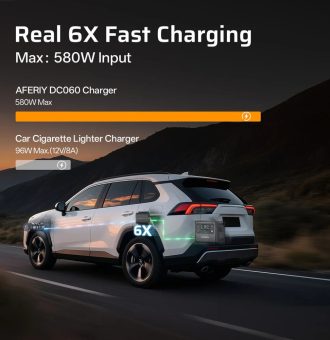
AFERIY DC060 580W DC-DC Alternator Charger for Portable Power Stations, High-Speed Vehicle Battery Charger Compatible with 12V/24V RV Systems, 47V-49V DC Input
Original price was: $1,099.99.$699.99Current price is: $699.99.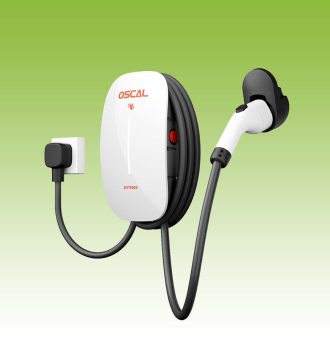

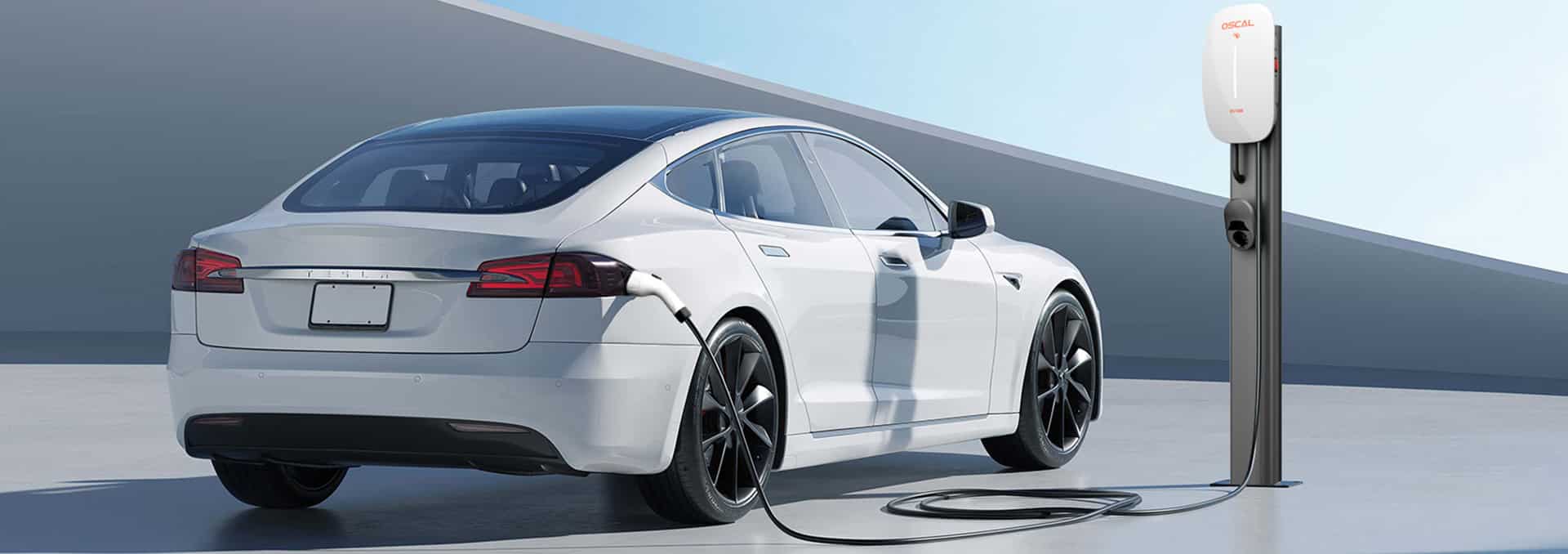
OSCAL EV11000 Level 2 EV Charger, 11kW 48A Fast Electric Vehicle Charging Station with RFID Access, 120V/240V Smart Home Wall-Mounted EV Charger
Original price was: $1,599.99.$899.99Current price is: $899.99.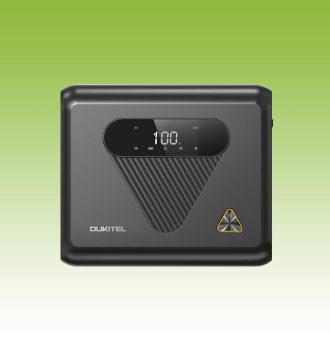
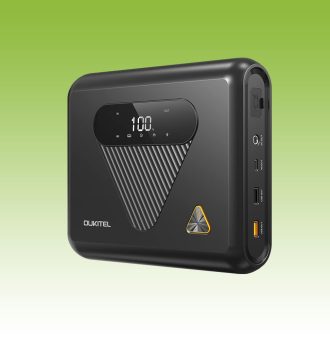
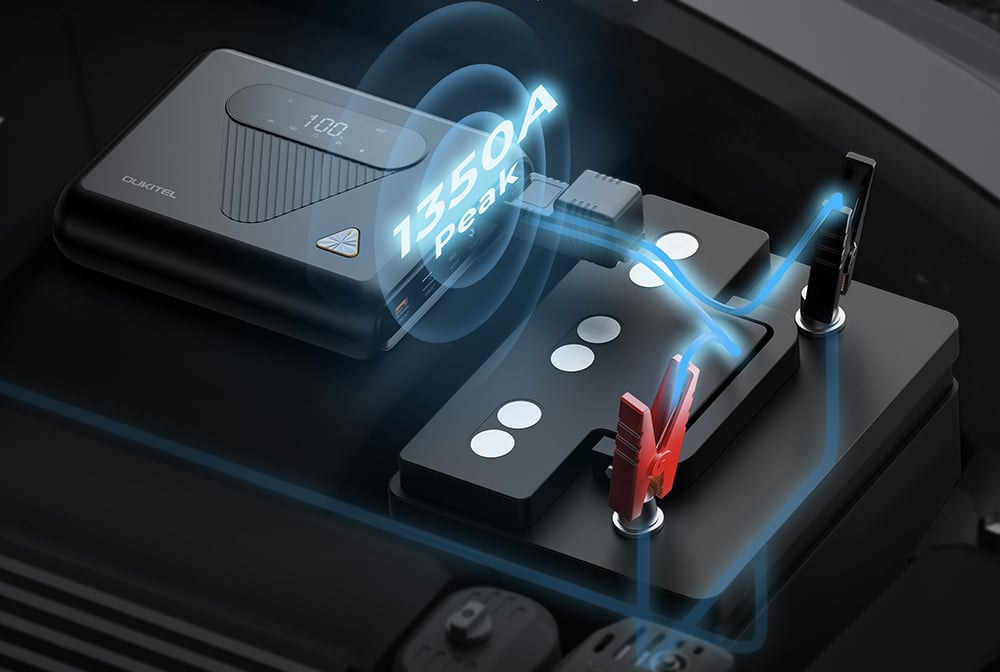
OUKITEL C01 Car Jump Starter with 80Wh Sodium-Ion Battery, 1350A Peak Current, 550A Starting Current, 60W USB-C Fast Charging and Portable Power Bank
Original price was: $699.99.$499.99Current price is: $499.99.Compare Current Power Accessories by Job
| Accessory type | Current products | Compatibility checks |
|---|---|---|
| DC-DC alternator charger | AFERIY DC060 580W | 12V/24V vehicle system, receiving station DC input, cable length/gauge, fuse, engine detection, mounting and ventilation. |
| Portable 12V jump starter | AFERIY GK03 2000A; OUKITEL C01 1350A | 12V system, supported gasoline/diesel engine size, starting and peak-current definition, clamp procedure, charge state and temperature limits. |
| Level 2 EV charging equipment | OSCAL EV11000 | Grid voltage, dedicated circuit capacity, breaker/wiring, maximum current setting, vehicle connector, local approval, mounting and weather exposure. |
Alternator Charging for a Portable Power Station
A DC-DC charger can shorten vehicle recharge time compared with a basic accessory socket, but it becomes part of the vehicle electrical system. Confirm the alternator and starter-battery arrangement, receiving-station input voltage, fuse placement, conductor size and cable routing. Installation should follow the instructions for both connected products and applicable vehicle/electrical requirements.
Jump Starters Are Not Power Stations
A jump starter is designed for a brief high-current engine start, not sustained AC appliance output. Confirm 12V compatibility and supported engine size, connect the clamps in the specified order, and stop if the battery is damaged, frozen, leaking or otherwise outside the manual’s conditions.
EV Equipment Needs a Suitable Circuit
The OSCAL EV11000 is EV charging equipment rather than a portable-station add-on. Its advertised power or current is usable only where the supply circuit, wiring, breaker, connector, vehicle and configured current all support it. Fixed or high-current installation should be assessed by a qualified electrician under local requirements.
Why Compatibility Comes Before Accessory Wattage
Headline watts or amps describe only part of the system. The safe result depends on voltage, connector, polarity, cable, fuse, thermal design, vehicle or station limits and installation. Use the product title to identify the job, then rely on the exact manual and the connected equipment documentation—not a generic “universal” assumption.
Power Accessory Pre-Purchase and Use Checklist
For an Alternator Charger
- Confirm vehicle system voltage and alternator suitability.
- Confirm the target station accepts the charger’s output voltage, current and connector.
- Verify connection details, fuse, conductor size, polarity, routing and mounting clearance.
- Check engine-stop detection, cooling and operating-temperature instructions.
For a Jump Starter
- Confirm a supported 12V battery and the stated gasoline/diesel engine limit.
- Keep the starter charged and inspect the unit, clamps and cable before use.
- Follow the exact connection/disconnection sequence and cranking-time limit.
- Do not use on a damaged, leaking or frozen battery or outside the manual’s temperature limits.
For EV Charging Equipment
- Match supply voltage, phase, maximum current, plug/connector and vehicle inlet.
- Confirm circuit, breaker, conductor, grounding, RCD/GFCI and local approval requirements.
- Check indoor/outdoor rating, cable reach, mounting and current configuration.
- Use a qualified installer where required; do not power high-current EV equipment from an unsuitable portable station or adapter.
For stored AC/DC energy, compare rugged power stations. For off-grid PV input, see portable solar panels. Review current shipping, warranty and return terms.
Get the Right Power Accessory for the Job
Alternator chargers, jump starters and EV charging equipment solve very different problems. We keep them on one page with clear job labels so you can begin with the vehicle or device in front of you rather than assuming every accessory fits every station.
Send us a photo of the electrical label and connector when compatibility is unclear. Those two details often provide the fastest route to a useful answer.

Power Accessories FAQs
The current category contains a DC-DC alternator charger, two portable 12V jump starters and a Level 2 EV charging product. They perform different jobs and are not interchangeable.
The plugs may share a shape while voltage, current or polarity differs. Treat the connector as only one part of the match and compare the electrical labels on both devices.
It uses a vehicle electrical source to recharge a compatible portable power station while driving, subject to the vehicle, alternator, wiring and receiving-station limits.
Not as a general rule. A jump starter is designed for brief 12V engine-start assistance and possibly USB charging, not sustained AC appliance output unless explicitly equipped and rated for it.
Confirm 12V compatibility, supported gasoline or diesel engine displacement, starting-current conditions, temperature range and the vehicle product guidance. Peak amps alone are not enough.
No. It is EV supply equipment connected to a suitable AC circuit. It appears in the broader Power Accessories catalog but should not be treated as a station add-on.
Only if local rules permit it and you can follow every electrical, vehicle and product requirement. Fixed or high-current work should be assessed and installed by a qualified professional.
Photograph the input label on the power station, vehicle battery or EV equipment and note the connector type. Those details make it much easier for our team to narrow the correct accessory.